
Start at the working entrance
The postal address and the gate used by site traffic may be different. Give the rental team the correct receiving point and describe any check-in process. Identify a person who can answer placement questions when equipment arrives, rather than leaving a driver to choose an unapproved position.
Separate crew access from material movement
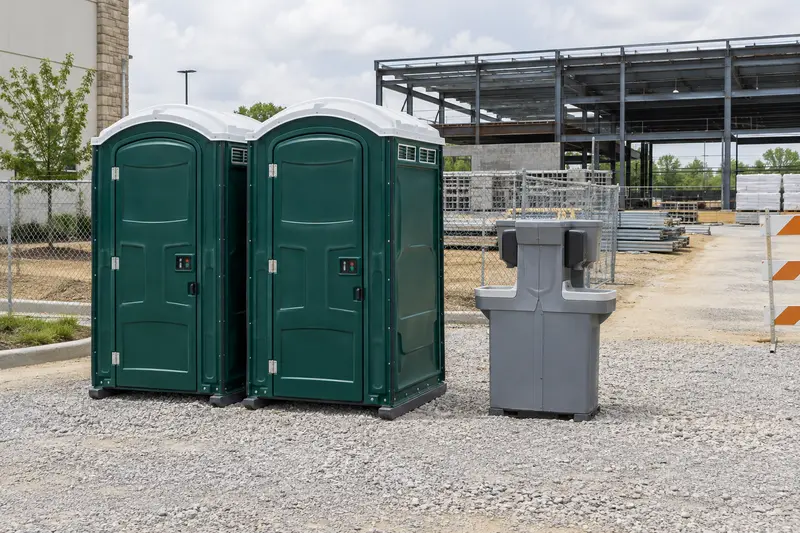
Look at the area around the proposed toilets, not only their footprints. Consider delivery vehicles, storage, excavation and the routes workers actually use. The provider should review the delivery and service approach; the site manager should keep the approved position available.
If paving, fencing or the building programme will remove that access, discuss a planned change early. Do not move or lift a loaded unit yourself. Relocation needs the provider’s agreement and an appropriate method.
Describe changing demand
Include subcontractors, overlapping shifts and any visitors who depend on the temporary facilities. State whether permanent restrooms are usable. The employer must check the applicable workplace requirements; an online rental description is not a compliance calculation.
Arrange a continuing service routine
Match service access to the working calendar, including locked gates and unattended days. Agree how cleaning, pumping and consumables are handled, and who reports a missed access window or a developing problem. Keep collection instructions with the final site handover so equipment is not left behind when the project team changes.